
Insulated Masonry Wall Systems
Availability
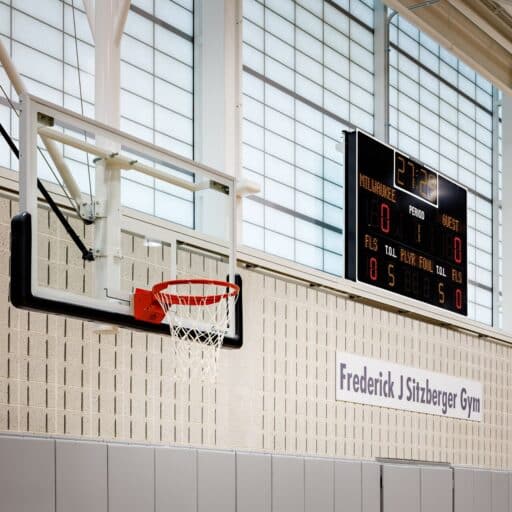
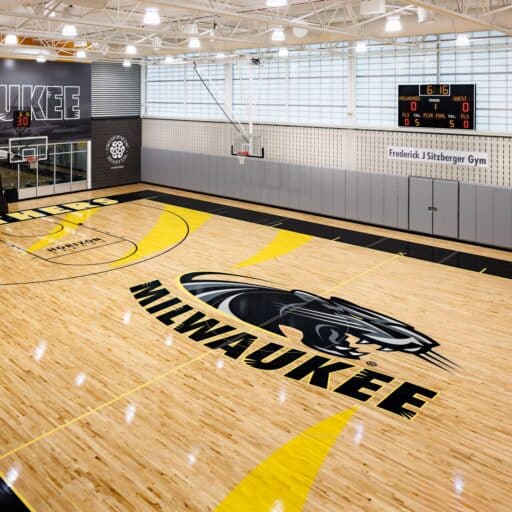
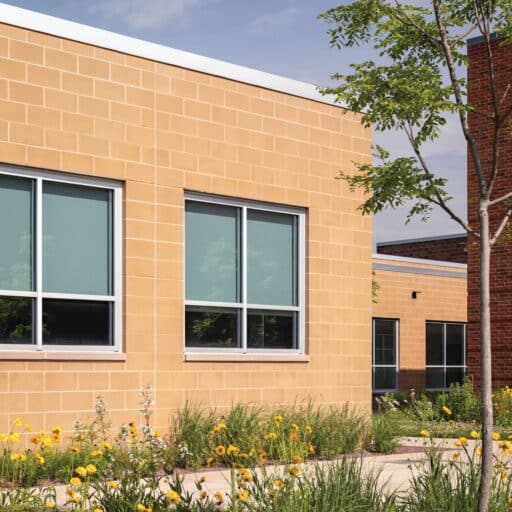

CAPITALIZE ON THERMAL MASS
Masonry in the building envelope can reduce heating, cooling demands
In your next sustainable project, reducing indoor temperature using thermal mass as found in masonry products can lead to the reduction in the size of HVAC systems and enhanced energy efficiency.
MOISTURE MANAGEMENT
Front-end architectural planning can help prevent long-term moisture build-up
The right combination of building technologies, products and installation techniques combines the benefits of efficiency and economics while protecting against moisture damage.
Frequently asked questions
Yes. Quik-Brik can be insulated using the same types of insulation materials used in standard CMU wall construction. This allows designers to incorporate insulation into the wall assembly to support thermal performance and energy-efficiency goals while maintaining Quik-Brik’s structural capabilities and traditional brick appearance.
Mitigating moisture in concrete block walls should be addressed as part of the complete wall design rather than relying on a single product. Depending on the application, strategies can include proper flashing and drainage, well-tooled mortar joints, integral water repellents and compatible surface-applied water repellents. Exterior walls should be detailed to direct water away from the assembly while allowing the wall to dry.
CMU block wall details are technical drawings that show how a concrete masonry wall and its individual components should be assembled. Depending on the project, details may address foundations, reinforcement, wall connections, insulation, flashing, weep holes, openings, movement joints and other important conditions. These drawings help architects, engineers and contractors communicate how the masonry assembly should be designed and constructed.There are some CMU block wall details available on the CMHA website at CMHA.org.
Structural concrete blocks are concrete masonry units (CMUs) molded with hollow cores that can accommodate steel reinforcing rebar and concrete grout. Structural CMU is engineered for load-bearing applications, allowing masonry walls to support structural loads within a building. These units combine structural capacity with the durability and long-term performance of concrete masonry.
Sustainable building materials are products selected to help reduce environmental impacts over a building’s life cycle while still meeting performance and durability requirements. Factors can include embodied carbon, material longevity, recycled content, local manufacturing and energy performance. Concrete masonry can contribute to sustainable design through characteristics such as durability, thermal mass and opportunities for local production.
The best fire-resistant building materials depend on the assembly, building type and required fire rating. Noncombustible materials such as concrete and concrete masonry are commonly used in fire-resistant construction because of their ability to withstand exposure to fire when properly designed. Concrete masonry wall assemblies can achieve different fire-resistance ratings based on the units, materials and overall wall design.
InsulTech™ combines structure, insulation, a water/air barrier and a finished appearance within a single, pre-assembled masonry system. This integrated design eliminates the need to install separate layers of insulation in the field, helping simplify wall construction. InsulTech™ also provides an R-value of R-16.0, supporting thermal performance and energy-efficient wall design while providing the durability and finished appearance of concrete masonry.
Structural CMU offers several performance advantages for building design. When properly designed, concrete masonry is fire-resistant, non-combustible and moisture-resistant. CMUs are also resistant to rot and pest damage. These qualities make structural concrete blocks a durable option for load-bearing walls and other applications where long-term performance and resilience are important.
A CMU SDS, or Safety Data Sheet, provides safety and handling information for concrete masonry products. These documents identify potential hazards associated with the material and activities such as cutting or grinding, along with recommended precautions, personal protective equipment, exposure controls and first-aid information. Echelon’s concrete masonry products SDS also addresses respirable crystalline silica that may be generated as dust when working with concrete products.
ASTM C90 is the Standard Specification for Loadbearing Concrete Masonry Units. This specification establishes requirements for concrete masonry units used in load-bearing and certain non-load-bearing applications, including criteria related to dimensions, minimum strength, absorption, face shell and web thickness and drying shrinkage. Architects and specifiers commonly reference ASTM C90 when specifying structural CMU.
CMHA stands for the Concrete Masonry & Hardscapes Association, which is a trade association representing the concrete masonry, hardscape and manufactured stone veneer industries. CMHA provides technical resources, education, research and industry guidance for producers, contractors, architects, engineers and other masonry professionals.
Cold weather masonry is masonry construction performed when low temperatures require additional precautions for materials, installation and curing. Cold conditions can affect mortar hydration, bond and construction practices, so materials may need to be heated and newly constructed masonry may require additional protection. Contractors should follow applicable TMS requirements and current industry guidance for cold weather masonry construction.
InsulTech is an insulated concrete masonry system designed as a pre-assembled, thermally broken wall unit. The system combines concrete masonry with integrated insulation to help improve thermal performance while maintaining the strength and durability of CMU. By incorporating multiple wall components into a single system, InsulTech can help simplify the construction of high-performance masonry walls.
There is no single R-value for every CMU wall. A concrete masonry wall’s R-value depends on factors such as unit size and density, wall configuration, insulation, grout and other components within the assembly. Designers should evaluate the complete wall assembly when determining its R-value and overall thermal performance.
The difference between lightweight, medium-weight and normal-weight concrete masonry units (CMUs) is based on the density of the concrete used to manufacture them. According to ASTM C90 specifications for load-bearing concrete masonry units, lightweight CMUs have a density of less than 105 pounds per cubic foot, medium-weight CMUs range from 105 to less than 125 pounds per cubic foot and normal-weight CMUs have a density of 125 pounds per cubic foot or more. These classifications help distinguish CMUs based on concrete density and can be considered when selecting masonry units for specific project requirements.
Architects planning a CMU design should consider both the performance of the wall assembly and the desired architectural appearance. Key factors include structural requirements, unit size and configuration, reinforcement, insulation, moisture management, fire resistance and movement control, along with colors, textures, finishes and masonry patterns. Product availability can also vary by region, so local manufacturing options should be considered during specification.
Let’s get to work
Masonry solutions for contractors, builders, planners, architects and engineers.
Have questions about masonry performance, products, specifications and more? We’re here to help.