
Trenwyth Architectural Masonry
Availability
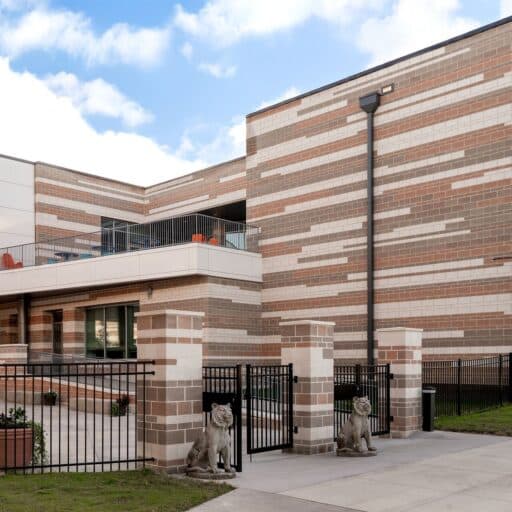
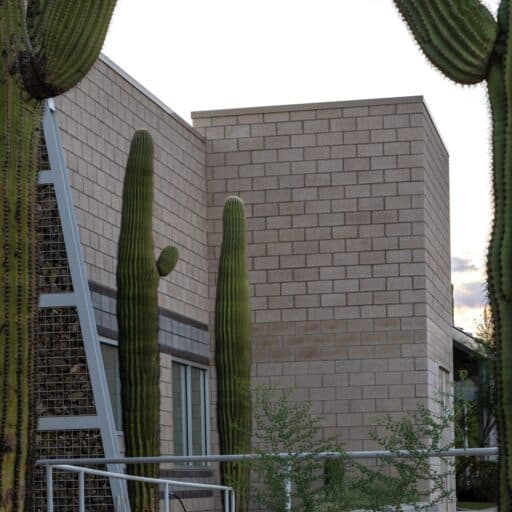

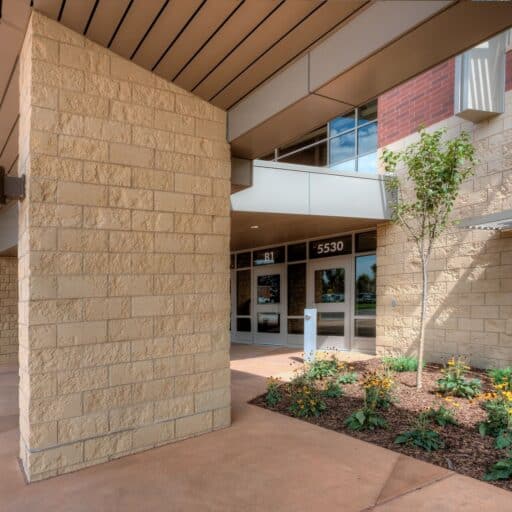


BUILT FOR STORM SAFETY
Wind-resistant masonry built to withstand debris impact
Discover why building with Echelon concrete masonry helps your project stand the test of time while keeping buildings and their occupants safe every day.
CONCRETE VS. WOOD MASONRY
Why concrete block outperforms wood
Wood has always been a viable building material, but when it comes to fire containment, durability, safety and low maintenance, concrete masonry blocks win hands down.
Frequently asked questions
No. CMU wall panels and adhered masonry veneers are different wall systems, although a wall panel system can incorporate adhered veneer as part of its design. Adhered masonry veneer is attached directly to a properly prepared substrate, while a CMU wall panel is a separate wall system with its own structural and installation requirements. The two can work together within a building assembly, but they are not interchangeable.
Yes. Depending on its shape and application, a specialty block can be classified as an architectural CMU or a veneer. Specialty blocks typically feature distinctive shapes, patterns, textures or other design elements, while architectural CMU is a broader category of concrete masonry used to achieve both functional and aesthetic goals. Some Echelon products can fall into both categories depending on how they are designed and used.
Decorative or specialty concrete blocks are masonry units designed with distinctive shapes, patterns, textures, finishes or geometric voids that add visual interest to a wall or building. Examples can include breeze block, split face, scored block and chisel face designs. These specialty blocks combine the durability of concrete masonry with architectural details that give designers greater flexibility to incorporate texture, pattern and dimension into masonry designs.
Sustainable building materials are products selected to help reduce environmental impacts over a building’s life cycle while still meeting performance and durability requirements. Factors can include embodied carbon, material longevity, recycled content, local manufacturing and energy performance. Concrete masonry can contribute to sustainable design through characteristics such as durability, thermal mass and opportunities for local production.
Specialty finish CMU, such as ground face, polish face and shot blast, exposes the natural aggregate matrix within the block to create added color, texture and visual interest. These finishes can also provide a more consistent appearance across the wall, helping minimize the possibility of visible shading. Echelon specialty finish CMU gives architects and designers more options for creating distinctive masonry walls while maintaining the durability and performance of concrete masonry.
Echelon architectural CMU is available in a wide variety of colors to complement different architectural styles and design goals. Depending on the product line and region, options may include grays, blacks, browns, tans, whites, creams and reds, with shades ranging from charcoal and beige to off-white and dark red. Colors can also be paired with different CMU textures and finishes to create a distinctive architectural look. Because available colors can vary by product and manufacturing location, refer to your Echelon region to find the specific CMU colors, shapes and finishes available for your project.
A CMU SDS, or Safety Data Sheet, provides safety and handling information for concrete masonry products. These documents identify potential hazards associated with the material and activities such as cutting or grinding, along with recommended precautions, personal protective equipment, exposure controls and first-aid information. Echelon’s concrete masonry products SDS also addresses respirable crystalline silica that may be generated as dust when working with concrete products.
An architectural concrete masonry unit (CMU) typically refers to an open-celled masonry unit that can be used in structural or non-structural applications. Architectural CMU combines the performance of concrete masonry with a range of colors, textures, shapes and finishes, allowing it to serve as both a functional building material and a visible design element.
ASTM C90 is the Standard Specification for Loadbearing Concrete Masonry Units. This specification establishes requirements for concrete masonry units used in load-bearing and certain non-load-bearing applications, including criteria related to dimensions, minimum strength, absorption, face shell and web thickness and drying shrinkage. Architects and specifiers commonly reference ASTM C90 when specifying structural CMU.
CMHA stands for the Concrete Masonry & Hardscapes Association, which is a trade association representing the concrete masonry, hardscape and manufactured stone veneer industries. CMHA provides technical resources, education, research and industry guidance for producers, contractors, architects, engineers and other masonry professionals.
Ground face masonry is concrete masonry that has been mechanically ground on its exposed face to create a smooth, finished surface and reveal the natural aggregate within the unit. Compared with split face masonry, ground face CMU has a smoother, more refined appearance. Echelon offers ground face products in a range of colors and finishes for architectural applications.
Split face masonry is a type of architectural concrete masonry with a rough, textured surface designed to resemble natural quarried stone. Echelon Split Face units are molded face to face, cured and then mechanically split apart, creating natural variation from one unit to the next. Split face CMU can be used to add texture and dimension to interior or exterior masonry designs.
The American Institute of Architects (AIA) is a professional organization representing architects and design professionals. AIA provides professional resources, continuing education, standards, advocacy and industry programs designed to support architectural practice and the built environment.
The Concrete Masonry Checkoff (CMC) is an industry-funded program that supports research, education and promotion for manufactured concrete masonry products in the United States. The program is funded through assessments paid by concrete block producers and invests those funds in initiatives designed to support education, research, awareness and demand for concrete masonry.
The Mason Contractors Association of America (MCAA) is a national trade association representing mason contractors. MCAA supports the masonry industry through education and training, advocacy, safety initiatives, workforce development and promotion of masonry construction.
Architects planning a CMU design should consider both the performance of the wall assembly and the desired architectural appearance. Key factors include structural requirements, unit size and configuration, reinforcement, insulation, moisture management, fire resistance and movement control, along with colors, textures, finishes and masonry patterns. Product availability can also vary by region, so local manufacturing options should be considered during specification.
Architectural CMU is available in a wide variety of sizes and shapes to accommodate different structural and design needs. Common nominal CMU sizes include 4 x 8 x 16 inches, 6 x 8 x 16 inches, 8 x 8 x 16 inches, 10 x 8 x 16 inches and 12 x 8 x 16 inches. Echelon also offers numerous colors, textures and finishes, giving architects and designers flexibility when specifying concrete masonry. Available CMU sizes, shapes, colors and finishes vary by product and location, so refer to your Echelon region for specific product availability.
The appropriate cleaner depends on the specific Echelon masonry product. Different masonry materials and finishes may have different cleaning requirements, so always refer to the cleaning section of the product specification before selecting or applying a cleaner. Following the product-specific recommendations can help remove dirt or stains without affecting the appearance or finish of the masonry.
CMU color can vary between Oldcastle manufacturing plants because aggregates and other raw materials are sourced regionally. Differences in aggregate color and composition, cement, pigments and manufacturing conditions can affect the appearance of the finished masonry units. For this reason, Echelon CMU colors may vary by manufacturing location and region. Architects and designers should confirm product colors and availability with their local Echelon representative or manufacturer when selecting masonry for a project.
Let’s get to work
Masonry solutions for contractors, builders, planners, architects and engineers.
Have questions about masonry performance, products, specifications and more? We’re here to help.