
Adhered Masonry Veneer
Availability
REVOLUTIONARY PRODUCTS
See the benefits of dry-cast manufacturing
Discover how Echelon’s dry-cast manufacturing process streamlines production while creating durable, attractive masonry products designed for efficient installation.
TIPS & TECHNIQUES
Thin and Full-Bed Veneer Masonry Solutions
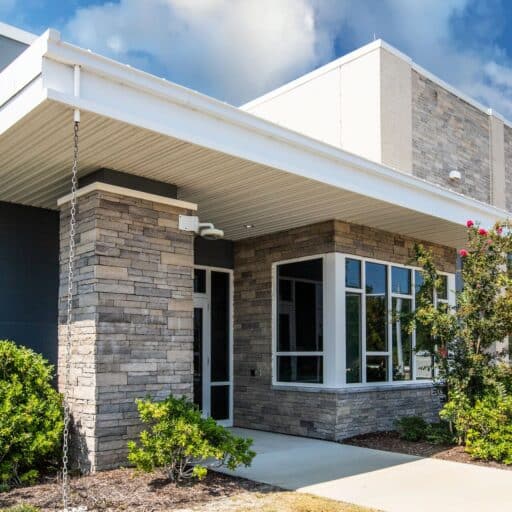
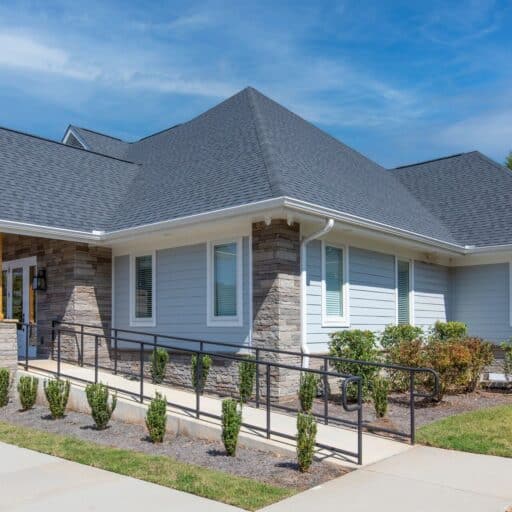
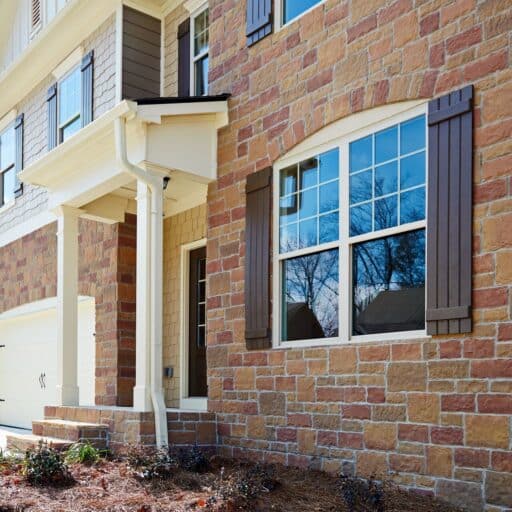
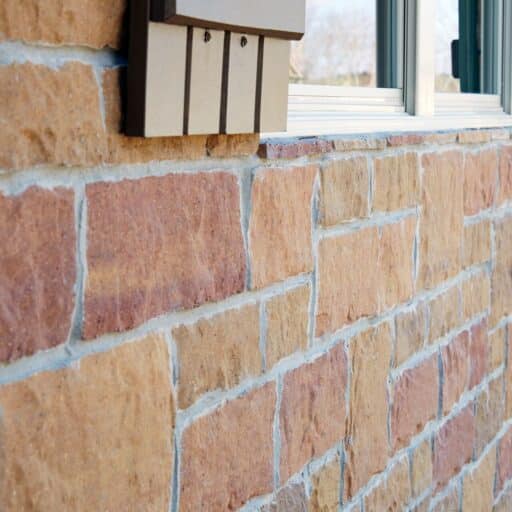
Replace natural stone with either thin or full-bed veneers on your next project. Veneers are easy to install and come in an array of colors and textures to serve as a versatile design element.
Adhered Masonry Veneer
Inspired by old-world craftsmanship, our lightweight, thin stone veneers are the face of modern masonry design. Echelon’s adhered masonry veneers are the right choice for any masonry project as our veneers are designed to adhere to a variety of substrates. When paired with our Amerimix pre-blended mortar, veneer installation can happen much quicker.
Frequently asked questions
The main difference between anchored and adhered masonry veneer is how the veneer is supported and attached to the building. Anchored masonry veneer is heavier and requires a wall-tie system to support and secure the veneer to a backup wall, such as wood, steel or concrete. Adhered masonry veneer weighs 15 pounds or less per square foot and can be bonded directly to a properly prepared substrate without a separate wall-tie system. The appropriate system depends on the veneer, wall assembly and project requirements.
No. CMU wall panels and adhered masonry veneers are different wall systems, although a wall panel system can incorporate adhered veneer as part of its design. Adhered masonry veneer is attached directly to a properly prepared substrate, while a CMU wall panel is a separate wall system with its own structural and installation requirements. The two can work together within a building assembly, but they are not interchangeable.
Yes. Manufactured stone veneer can often be used around a fireplace to create a natural stone appearance. However, the veneer should not be exposed directly to flame or used as a return into the firebox unless specifically approved for that application. Always follow the veneer manufacturer’s instructions and applicable building and fire codes.
Yes. Adhered veneer installation requires a polymer-modified adhered veneer mortar (PMAVM) or a traditional Type S mortar enhanced with polymers. Using the appropriate mortar helps create a strong bond between the masonry veneer and the properly prepared substrate. Always follow the veneer and mortar manufacturer’s specifications and applicable installation guidelines for the wall assembly.
Thin stacked stone veneer is installed as a thin, adhered veneer, with the units placed closely together so there is little to no visible mortar between them. This installation method creates the clean, layered appearance associated with stacked stone while maintaining the lighter profile of thin masonry veneer. Proper substrate preparation and installation are important to support the appearance and long-term performance of the finished veneer.
Thin masonry veneer is installed by adhering the veneer to a properly prepared substrate using an appropriate mortar system. Because installation requirements can vary based on the veneer, substrate and project conditions, proper surface preparation, mortar selection, flashing and water management are important for long-term performance. For detailed installation requirements and best practices, refer to the Manufactured Stone Veneer (MSV) Installation Guide available through CMHA.org.
Yes. Depending on its shape and application, a specialty block can be classified as an architectural CMU or a veneer. Specialty blocks typically feature distinctive shapes, patterns, textures or other design elements, while architectural CMU is a broader category of concrete masonry used to achieve both functional and aesthetic goals. Some Echelon products can fall into both categories depending on how they are designed and used.
An adhered concrete masonry veneer is manufactured using a dry-mix process similar to CMU but weighs 15 pounds or less per square foot. Its lighter weight allows the veneer to be adhered directly to a properly prepared substrate rather than supported by a separate anchoring system. Adhered masonry veneer can provide the look and durability of masonry while offering flexibility for a variety of interior and exterior applications.
Ashlar masonry is a design pattern that uses rectangular masonry units arranged in a structured layout that resembles traditionally cut stone construction. The pattern can incorporate units of different lengths and heights to create visual variation while maintaining defined horizontal lines. Echelon Kensley Stone, for example, features a traditional ashlar pattern with a chiseled finish.
CMHA stands for the Concrete Masonry & Hardscapes Association, which is a trade association representing the concrete masonry, hardscape and manufactured stone veneer industries. CMHA provides technical resources, education, research and industry guidance for producers, contractors, architects, engineers and other masonry professionals.
Manufactured stone veneer (MSV) is a non-load-bearing masonry product designed to replicate the appearance of natural stone. This product is typically made from cementitious materials, aggregates, and pigments to create a range of stone colors, textures, and profiles. Terms such as faux stone and stone cladding may also be used to describe manufactured products or wall finishes that create the appearance of natural stone. Cast stone veneer is another manufactured masonry option designed to resemble natural cut stone, such as limestone. Echelon offers adhered and anchored masonry veneer options that provide the look of natural stone in a durable, design-flexible system.
The Mason Contractors Association of America (MCAA) is a national trade association representing mason contractors. MCAA supports the masonry industry through education and training, advocacy, safety initiatives, workforce development and promotion of masonry construction.
Per TMS specifications, thin masonry veneer is classified as veneer that is no more than 2 5/8 inches thick and weighs no more than 15 pounds per square foot. Its thinner, lighter profile allows it to provide the look and texture of masonry without the depth of a traditional full bed veneer. Echelon offers thin masonry veneer in a range of colors, textures and profiles to give architects and designers greater flexibility when creating interior and exterior masonry designs.
Echelon offers several masonry veneer products designed to provide the natural look of limestone, including Cordova Stone, Franklin Stone, Aria Slim and Aria Stone. These options offer different profiles, textures and installation methods, giving architects and designers flexibility to achieve a limestone-inspired aesthetic while benefiting from the durability and design versatility of manufactured masonry veneer.
The appropriate cleaner depends on the specific Echelon masonry product. Different masonry materials and finishes may have different cleaning requirements, so always refer to the cleaning section of the product specification before selecting or applying a cleaner. Following the product-specific recommendations can help remove dirt or stains without affecting the appearance or finish of the masonry.
Let’s get to work
Masonry solutions for contractors, builders, planners, architects and engineers.
Have questions about masonry performance, products, specifications and more? We’re here to help.