Choosing Between Thin and Full Veneers
Choosing between thin stone veneer and full stone veneer depends on the needs of the project, including structural support, cost, installation, design and durability. Thin veneer’s lighter weight makes it easier to ship, handle and install, while full veneer can provide advantages for moisture resistance, detailing and certain installation styles.
Advances in stone veneers have made both full and thin varieties suitable replacements for natural stone in many residential and commercial applications. Both varieties are strong, widely available throughout the country, easier to install than natural stone and come in an array of colors and textures to serve as a versatile design element. When choosing between thin and full veneer for a project, factors to consider include the specific attributes of each veneer type, associated costs and installation options.
Combining the right masonry veneer with the right installation method can positively impact a project’s cost, look and durability.
Why Choose Thin Stone Veneer?
Thin veneer’s primary advantage over its full counterpart is undoubtedly its lighter weight requiring less structural support. This makes it less expensive to ship, easy to haul and handle on the job site, and easier to cut, trim and set.
Most varieties are available with cut corners that make it look like a full stone, as well as specialized pieces such as keystones and sills. As a design element, thin stone veneer can be essential for bringing stone to non-loadbearing walls and, as such, is perfect for interior applications such as:
- Fireplaces
- Accent walls
- Upper-story installations
Why Choose Full Stone Veneer?
In the case of full stone veneer, moisture is less likely to penetrate (if installed correctly) because the joints are often sealed to the depth of the veneer, which is, on average, four to six inches.
As with thin veneers, manufacturing advances have made full depth veneers consistently sized and modular for less cutting and waste at the job site. And, when the devil is in the details, full stone veneer can also present an advantage over its thinner counterpart.
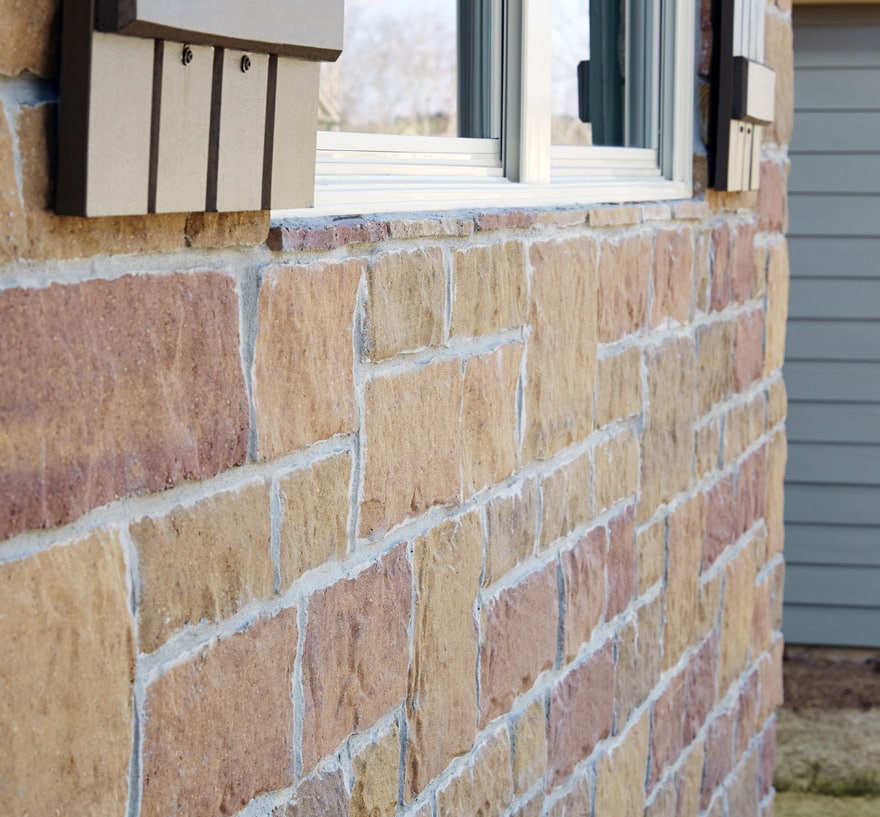
Many full-depth veneers can help create a stunning end-effect because they come in a choice of sizes and shapes; textured ends available in some brands allow for a finished end look without additional cutting.
They can easily accommodate various joints and dry stack styles and can help fulfill last-minute client requests for details such as corbels, lintels or keystones without losing time or going off budget. These pieces are readily available with many of the thin veneers on the market but have to be ordered in advance to fit within timelines. They can usually be cut from full veneer pieces already on site.
Thin Stone Veneer vs. Full Stone Veneer: Key Features
Ultimately, there are more opportunities than ever to match material and installation methods to the scope and budget of the building project.
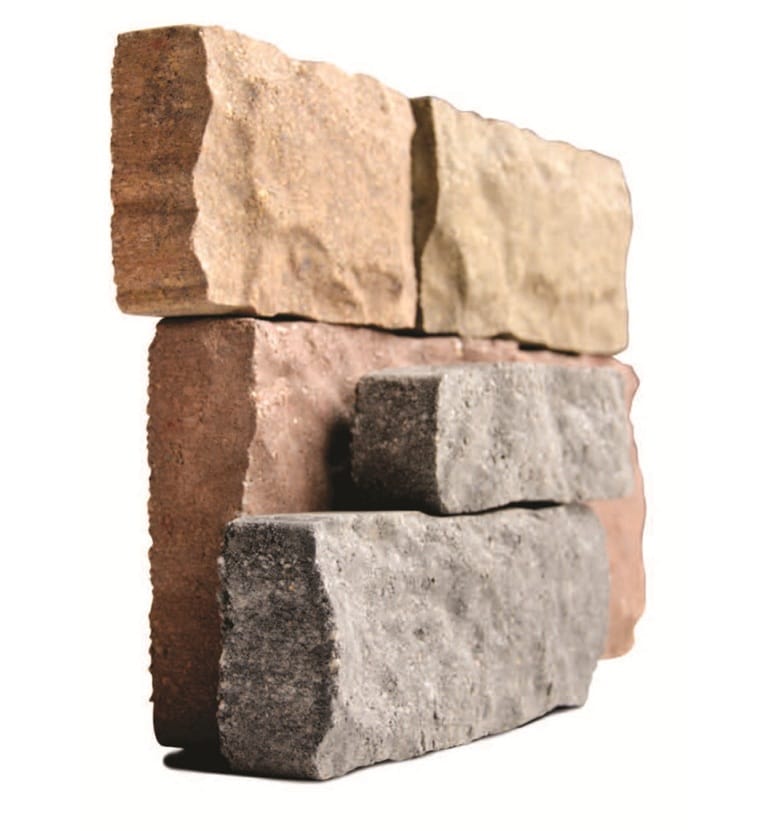
Thin Veneer Features
- Lighter weight
- Less expensive to ship
- Easier jobsite handling
- Requires no structural footing
- Can be utilized in virtually any setting
- Saves on installation time and costs
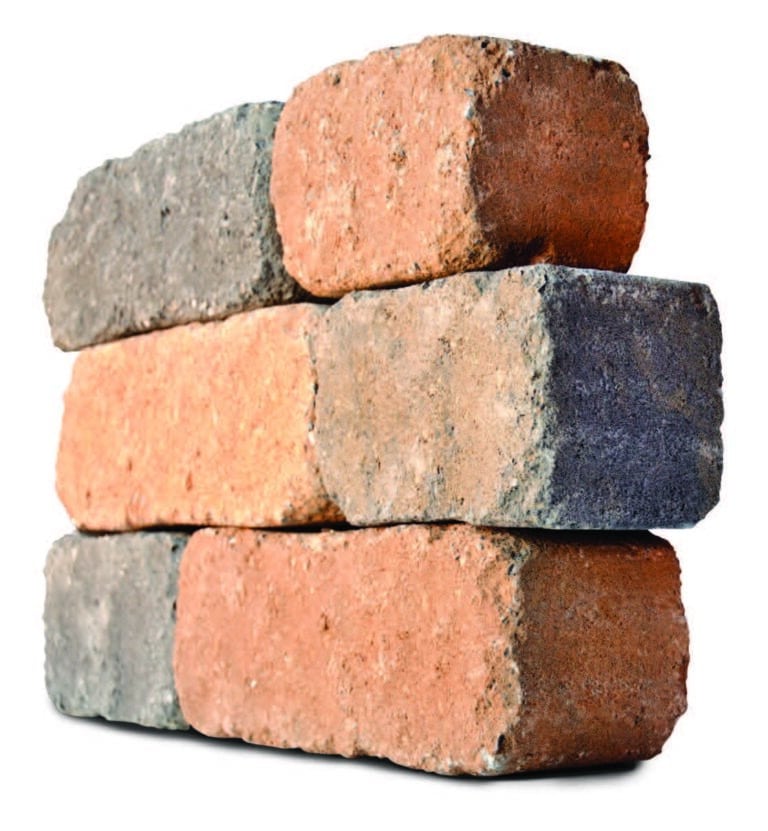
Full Veneer Features
- Variety of brick shapes and sizes
- Often feature textured ends, meaning there’s no need for additional corner pieces
- Modular format reduces cutting and waste
- Moisture is less likely to penetrate
- Easily accommodate various joints and dry stack styles
Masonry Veneers Offer More Design Options
Thin and full-size masonry veneers can fit with the latest trends for sustainable, repurposed and/or natural-look materials while positively impacting cost, R-value, and mold and mildew resistance.
Many designers are choosing to mix products to create varied elevations for a more interesting, contemporary look that has migrated from urban centers to within residential settings. With advancements in form and function, masonry veneers have become a valuable tool in advancing design.
Explore Veneer Resources
Related Content
-

Managing Moisture with Masonry
Moisture is one of the most persistent threats to a building envelope, the exterior system of walls,…
-
Reducing Mortar Cracks for Lasting Masonry
Mortar plays a critical role in how masonry accommodates movement over time. The right mortar for masonry…